An overlocker has various settings and performs different functions; when you are new to overlocking, it is not always easy to know when and why to choose each stitch. This brief outline should help.
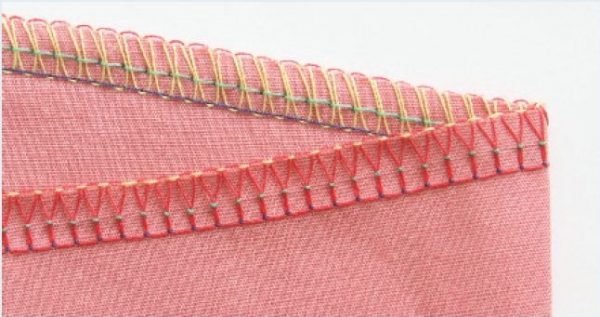
4 thread overlocking stitch
Both needles are used to make strong seams when joining two pieces of fabric together.
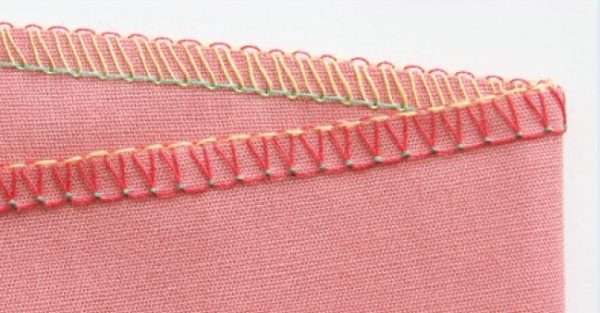
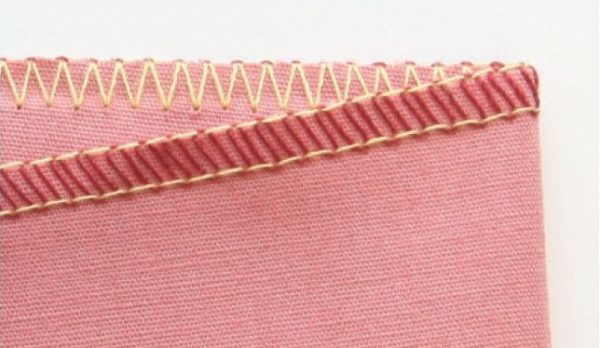
Narrow three thread overlocking stitch
The right-hand needle is used for edge finishes on lighter-weight fabrics. It is also suitable for seams on light or sheer fabrics on loose-fit garments, where there is no pressure on seams.
Wide three thread overlocking stitch
The left-hand needle is used for edge finishes on loose-weave cloth or heavier fabrics.
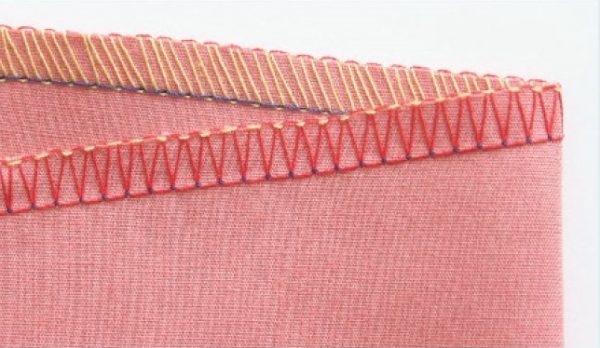
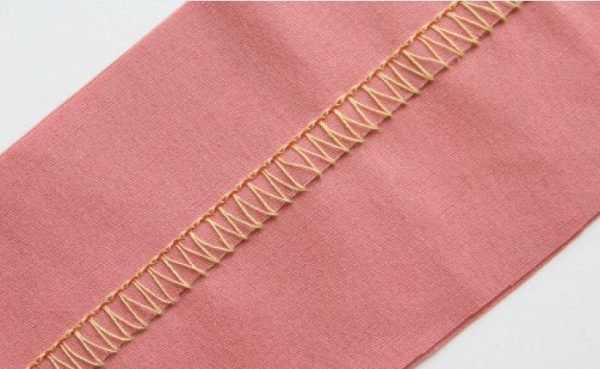
Two thread overlocking stitch
Use this for flatlocking and as a seam finish on lightweight fabrics. Using just two threads gives a less bulky finish. Use one needle and the lower looper with the upper looper converter in place.
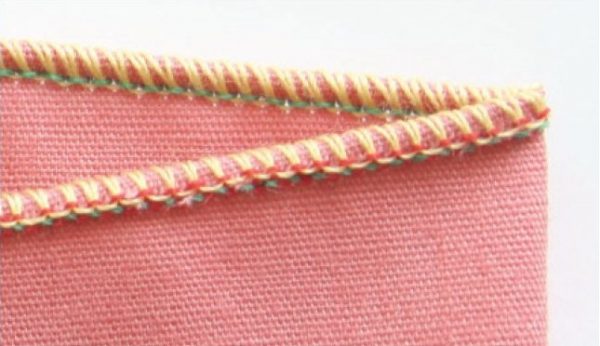
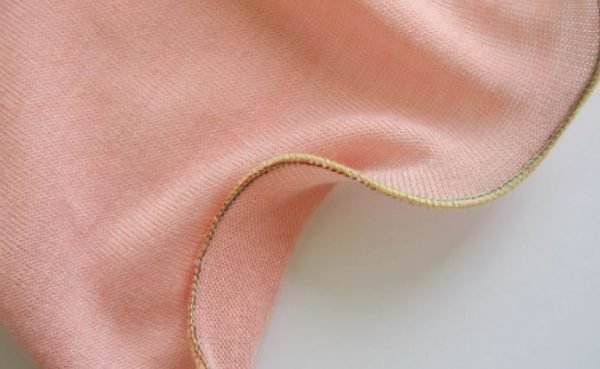
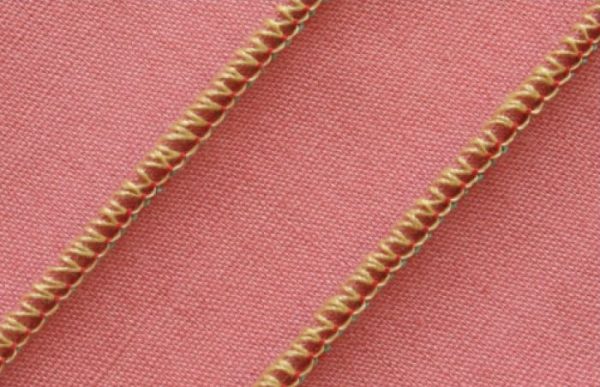
Rolled hem
Choose this for narrow hems and edges on lightweight or soft, sheer materials. Use the righthand needle and adjust the settings as described for your model.
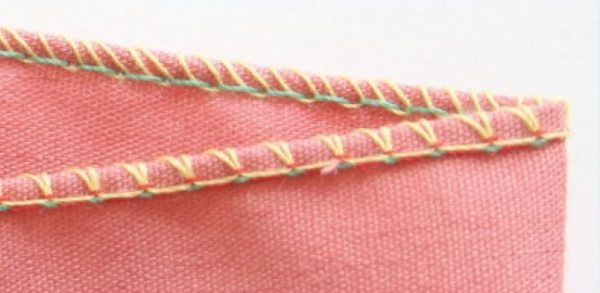
Picot Hem
Use this for narrow hems and edges on soft, light fabrics. The stitches are spaced further apart and give a softer edge as compared to a rolled hem which can be too stiff for some fabrics.
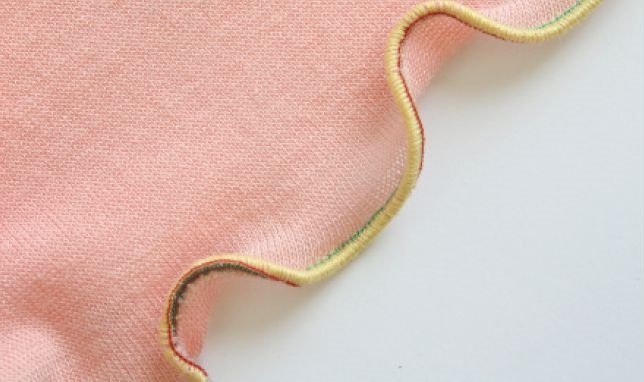
Lettuce Hem
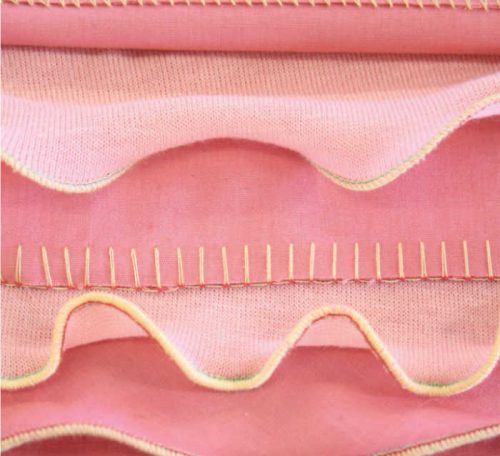
This produces a curly, decorative edge on stretchy fabrics. The settings are the same as for a rolled hem but the handling technique is different.
Fishing-line hem
Use this for a firm, flouncy edge on bias or stretchfabric. The settings are the same as for rolled hemming but the overlocking stitch covers nylon fishing-line.
Pin tucks
Used for a textured, decorative finish: a rolled hem is sewn on a fold rather than an edge.
Flatlock stitch
Used for a decorative flat seam where overlock stitches form on the surface. It also produces a folded hem useful for stretch fabrics.
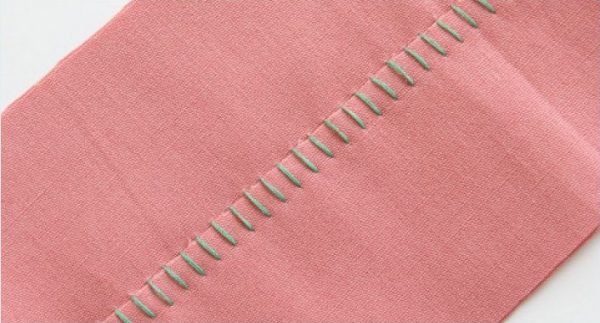
Ladder Stitch
This produces a flat seam with ladder stitch detail on the surface. It is the reverse of a flatlock finish and is used for overlocking a blind hem.
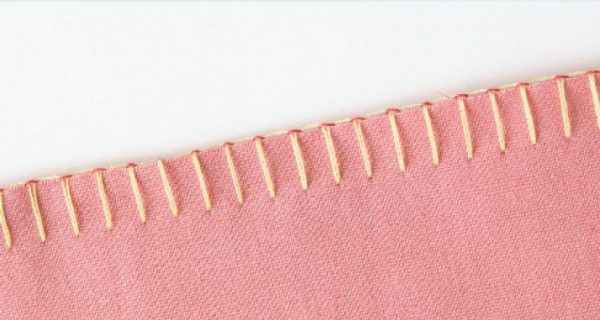
Blanket Stitch
Used for a decorative hem with the appearance of hand-sewn blanket stitches.
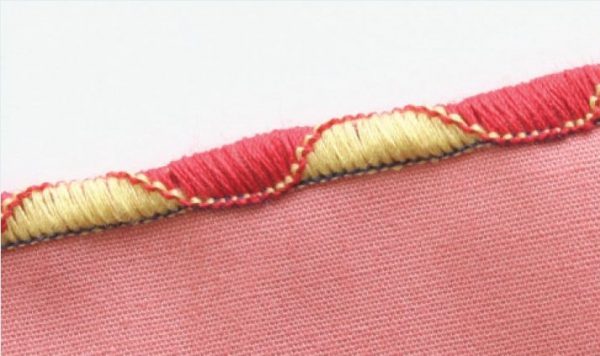
Wave Stitch
This gives a decorative edge which can be enhanced by using two colours. It is only available on Baby Lock models.